
ACP vs HPL Sheet: Which is Better for Your Building?
Introduction
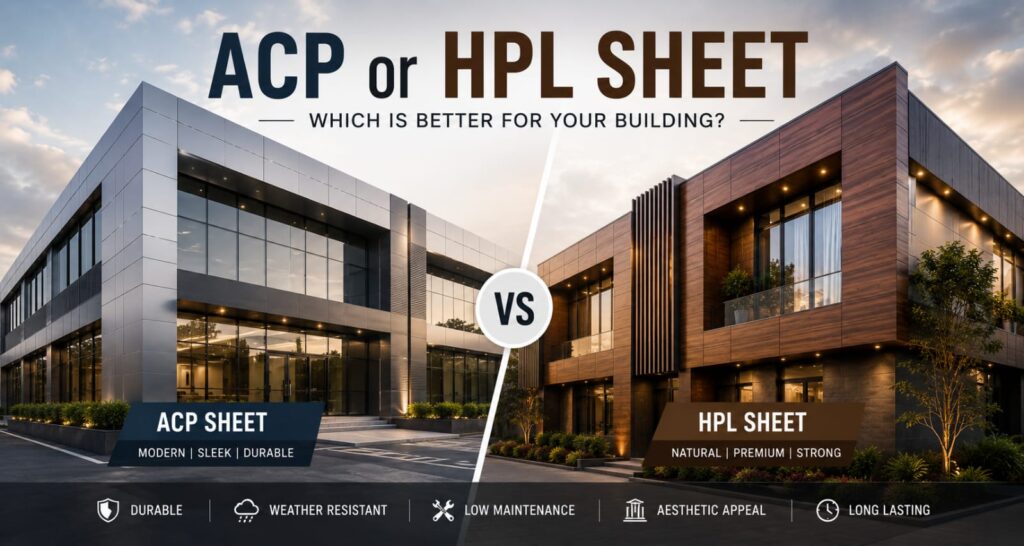
When designing a modern building, selecting the right exterior cladding material is one of the most important decisions. Two of the most popular choices are ACP (Aluminium Composite Panel) and HPL (High Pressure Laminate) Sheet. Both materials are widely used for commercial, residential, and institutional projects because of their durability, attractive appearance, and long service life.
However, many architects, builders, and property owners often ask the same question: ACP vs HPL Sheet – Which is Better?
The answer depends on your project’s design requirements, budget, maintenance expectations, and environmental conditions. In this guide, we’ll compare ACP and HPL sheets based on their features, advantages, disadvantages, applications, and overall performance to help you make the right choice.
What is an ACP Sheet?
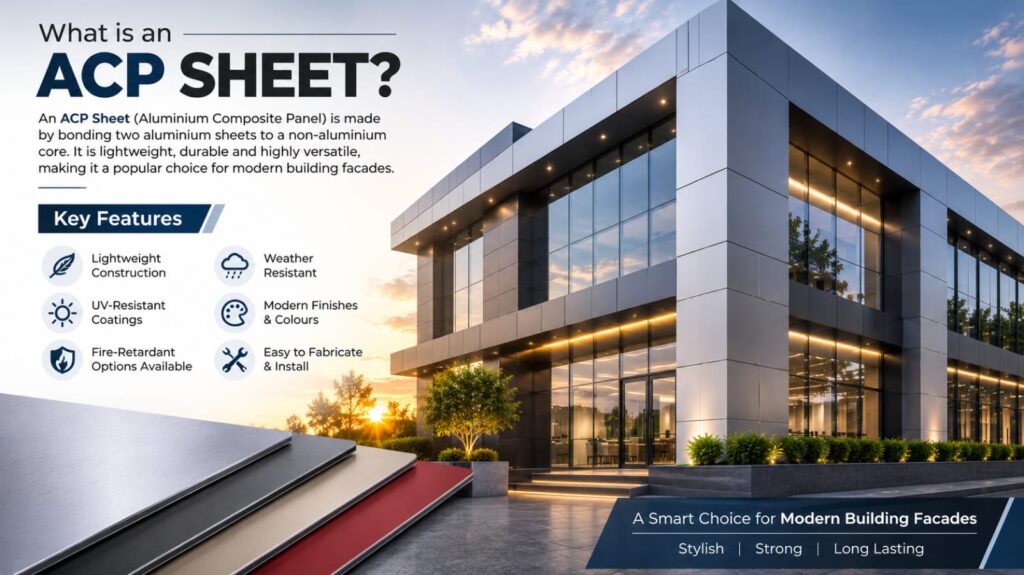
An ACP Sheet (Aluminium Composite Panel) is made by bonding two aluminium sheets to a non-aluminium core. It is lightweight, durable, and highly versatile, making it one of the most popular cladding materials for modern building facades.
Key Features of ACP Sheets
- Lightweight construction
- Weather-resistant
- UV-resistant coatings
- Modern finishes and colours
- Easy to fabricate and install
- Fire-retardant options available
- Low maintenance
What is an HPL Sheet?
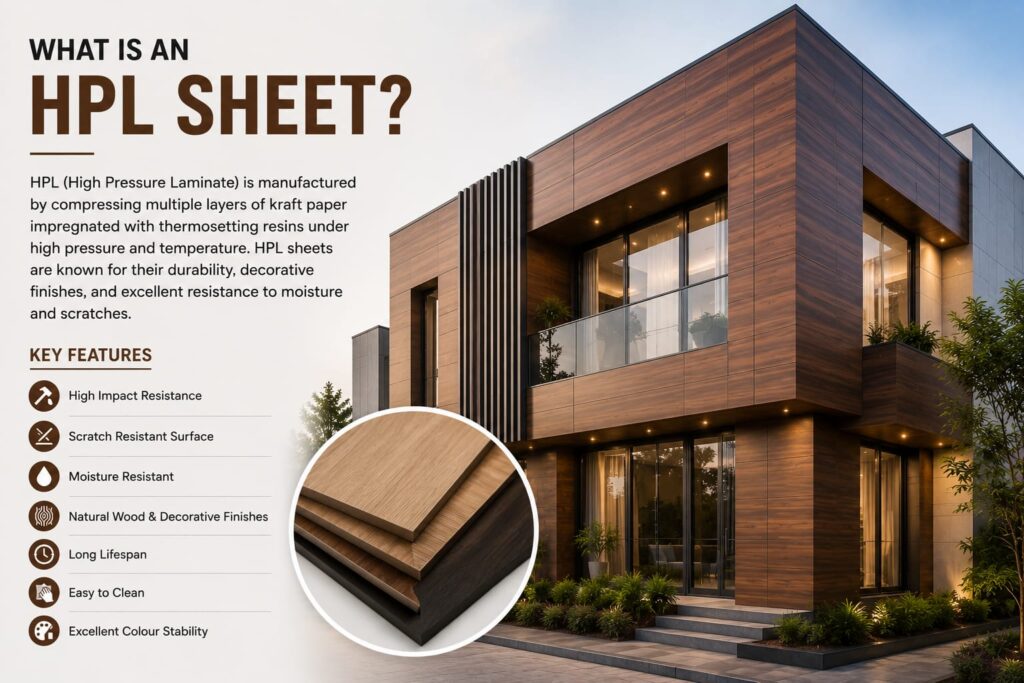
An HPL Sheet (High Pressure Laminate) is manufactured by compressing multiple layers of kraft paper impregnated with thermosetting resins under high pressure and temperature. HPL sheets are known for their durability, decorative finishes, and excellent resistance to moisture and scratches.
Key Features of HPL Sheets
- High impact resistance
- Scratch-resistant surface
- Moisture-resistant
- Natural wood and decorative finishes
- Long lifespan
- Easy to clean
- Excellent colour stability
ACP vs HPL Sheet – Comparison
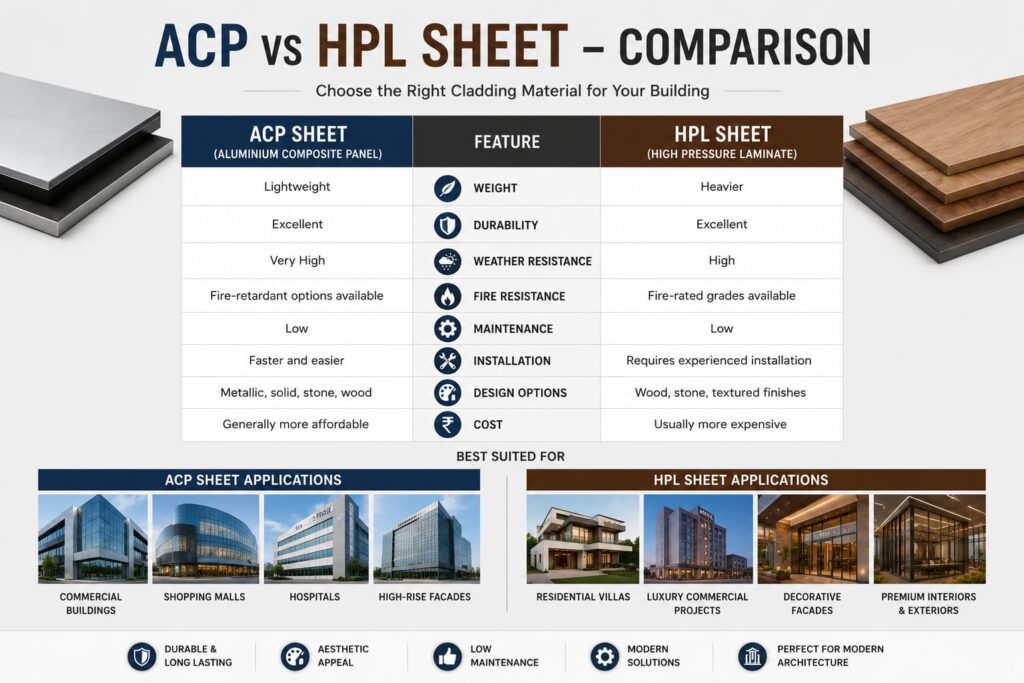
Weight
ACP Sheet: Lightweight
HPL Sheet: Heavier
Durability
ACP Sheet: Excellent
HPL Sheet: Excellent
Weather Resistance
ACP Sheet: Very High
HPL Sheet: High
Fire Resistance
ACP Sheet: Fire-retardant options available
HPL Sheet: Fire-rated grades available
Maintenance
ACP Sheet: Low Maintenance
HPL Sheet: Low Maintenance
Installation
ACP Sheet: Faster and easier installation
HPL Sheet: Requires experienced installation
Design Options
ACP Sheet: Metallic, solid, stone, and wood finishes
HPL Sheet: Wood, stone, and textured finishes
Cost
ACP Sheet: Generally more affordable
HPL Sheet: Usually more expensive
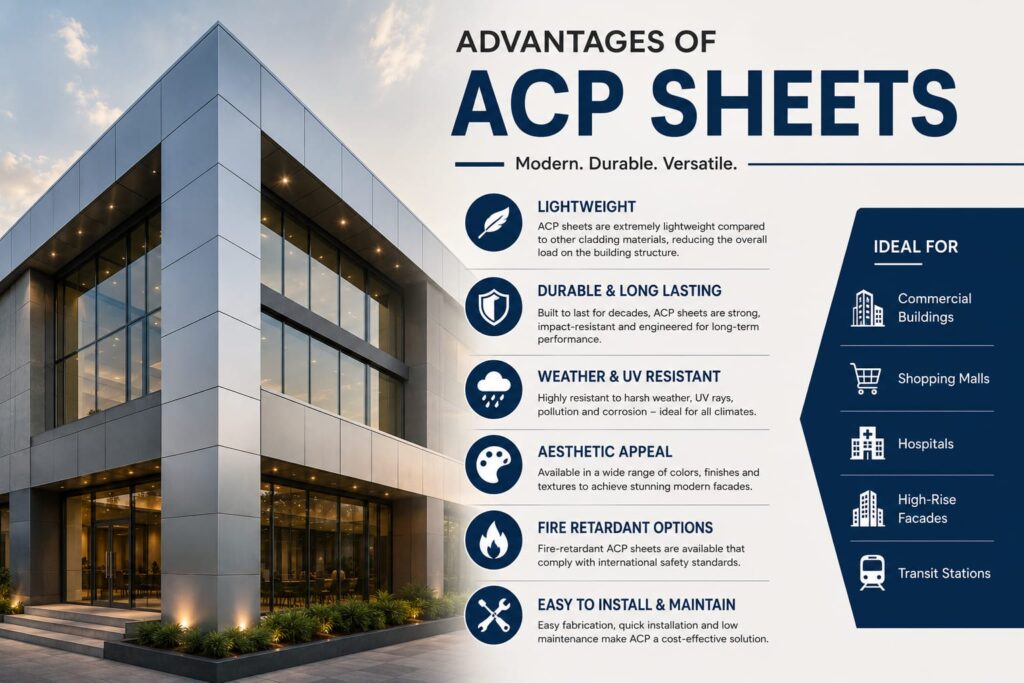
Advantages of ACP Sheets
Lightweight Design
ACP sheets reduce structural load and simplify installation.
Modern Appearance
Available in a wide range of colours, textures, and premium finishes.
Cost-Effective
ACP sheets are generally more economical than HPL for large facade projects.
Easy Installation
They can be fabricated and installed quickly, reducing project timelines.
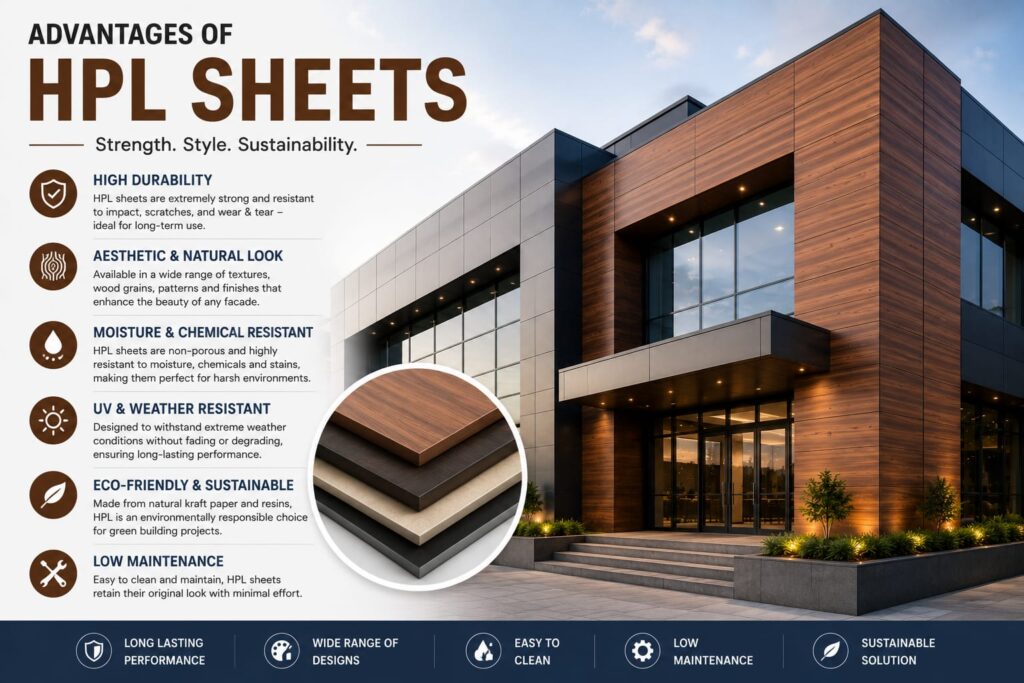
Advantages of HPL Sheets
Premium Wood Finish
HPL sheets provide a natural wood-like appearance suitable for luxury projects.
Scratch Resistance
Their hard surface offers excellent resistance to scratches and daily wear.
Moisture Resistance
HPL performs well in humid environments when installed correctly.
Long-Term Performance
High-quality HPL sheets maintain their appearance for many years.
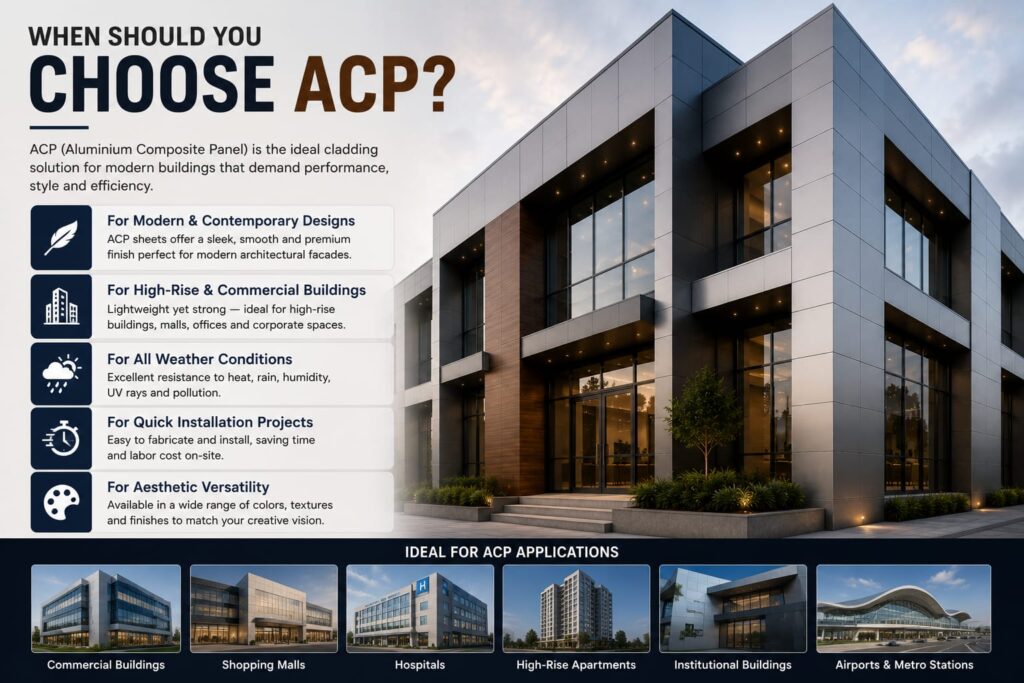
When Should You Choose ACP?
ACP sheets are the ideal choice if your project requires:
- Lightweight cladding
- Modern architectural design
- Faster installation
- Cost-effective solutions
- Commercial buildings
- Corporate offices
- Shopping malls
- Hospitals
- High-rise facades
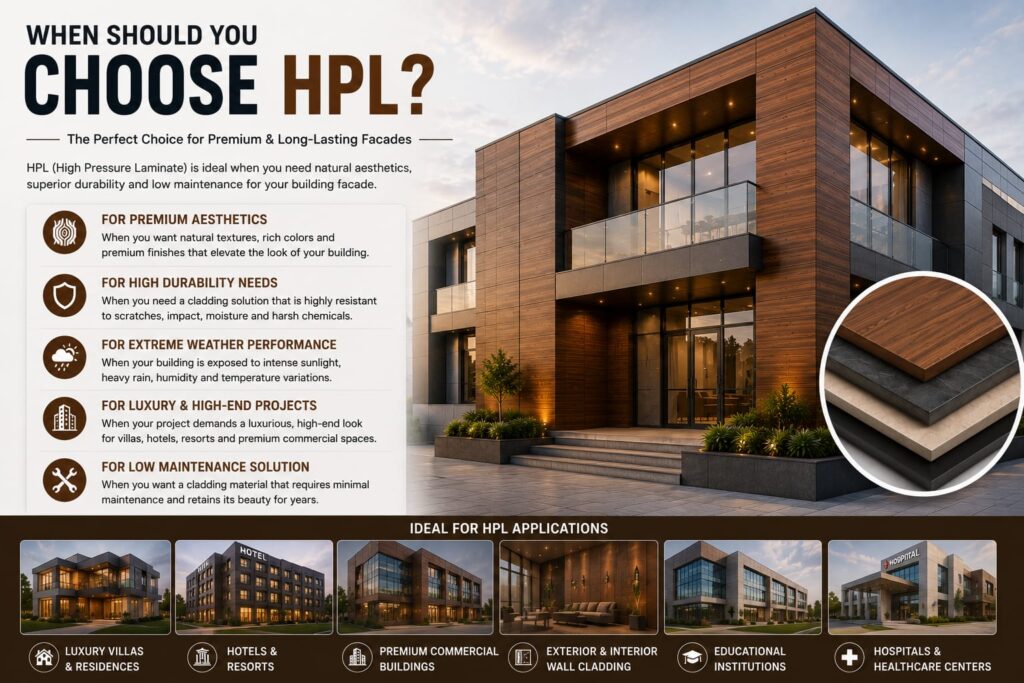
When Should You Choose HPL?
HPL sheets are suitable when you need:
- Premium wood aesthetics
- Decorative facades
- Residential villas
- Luxury commercial projects
- Scratch-resistant surfaces
- Natural appearance
Which Material Offers Better Value?
When comparing ACP vs HPL Sheet, neither material is universally better. ACP provides excellent value for projects that require lightweight construction, modern aesthetics, and affordability. HPL, on the other hand, is ideal for projects where decorative finishes and superior surface durability are the top priorities.
The right choice depends on your project’s budget, design vision, and performance requirements.
Conclusion
The debate over ACP vs HPL Sheet ultimately comes down to your project’s specific needs. ACP sheets are an excellent choice for modern commercial facades due to their lightweight construction, affordability, and versatile design options. HPL sheets stand out for their premium appearance, scratch resistance, and decorative finishes, making them ideal for luxury residential and commercial projects.
Before making a decision, consider factors such as budget, design preferences, maintenance requirements, and the expertise of your installation team. Choosing the right cladding material will ensure a durable, attractive, and long-lasting facade that enhances the value of your building.
Good Blog with best information